
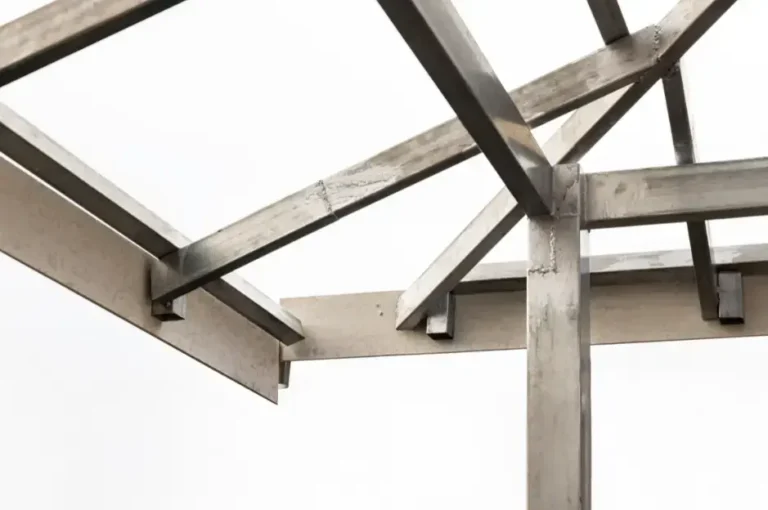
Wellington’s unique geographical position and climatic conditions create specific challenges for residential properties. The capital’s exposure to strong winds, seismic activity, and coastal weather patterns means homeowners need to remain vigilant about potential structural concerns.
Understanding the most prevalent structural issues in Wellington homes helps property owners identify problems early, potentially saving thousands in repair costs.
Wellington’s hillside terrain and earthquake-prone location make foundation issues particularly common. Managing Director Morgan Kircher brings over two decades of building expertise to identifying these concerns across the region. Properties built on reclaimed land or slopes face an increased risk of differential settlement, in which one section of the foundation moves independently of another.
Early warning signs include doors that stick or won’t close properly, cracks appearing in interior walls, and gaps forming between walls and ceilings. Exterior indicators often show as stepped cracking in brick veneer or concrete block walls. The team at Alert Building Inspections regularly observes these patterns during property inspections throughout Wellington.
Foundation repairs typically range from $8,000 to $35,000, depending on severity and access. Simple crack repairs might cost $1,500-$3,000, whilst complete underpinning of a section could exceed $25,000. Our team has 150 years of combined industry experience, and professionals consistently recommend addressing foundation concerns promptly to prevent escalation.
Wellington’s combination of wind-driven rain and humidity creates ideal conditions for timber deterioration. Untreated timber framing in older homes proves particularly vulnerable, especially around ground level and in areas with poor ventilation. Weatherboards, window frames, and deck structures are exposed to constant moisture.
According to research from the building industry, approximately 60% of pre-1960s Wellington homes exhibit some degree of weather-related timber damage. Property owners should examine areas where water might accumulate – beneath windows, at wall-to-ground junctions, and around plumbing penetrations.
Timber repair costs vary considerably based on the extent and accessibility. Replacing weatherboards might cost $150-$250 per square metre, whilst structural framing repairs range from $5,000 to $20,000.
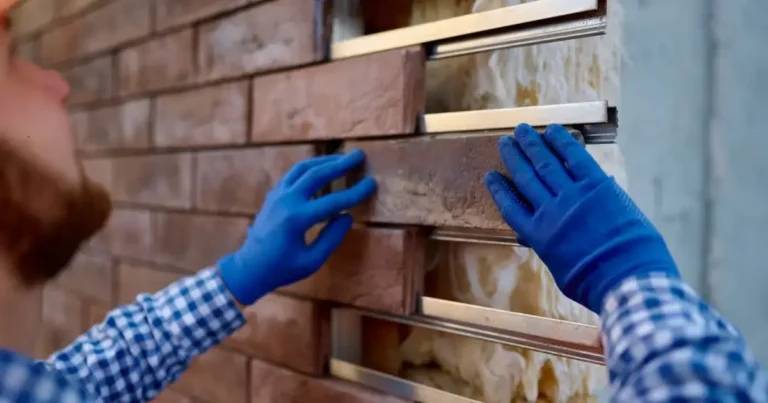
Monolithic cladding concerns remain prevalent across Wellington properties built between 1995 and 2005. These systems, when incorrectly installed or maintained, allow water ingress that damages internal framing. Traditional weatherboard and brick veneer systems also require proper installation to perform effectively.
Visual inspection identifies several warning signs: paint blistering, dark staining below the windows, soft spots when pressing the cladding, and moisture stains on interior walls. Properties showing these symptoms require thorough investigation to determine the extent of internal damage.
Remediation projects for cladding failures range from $50,000 to $150,000 for average-sized homes, typically requiring 3-6 months to complete. Many building inspection issues relate directly to inadequate weatherproofing systems.
Recent seismic events have revealed vulnerabilities in Wellington’s housing stock. Properties built before modern earthquake standards may display cracks in brick chimneys, separation between building elements, and damage to foundation systems. Property owners should examine their homes after any noticeable ground shaking, looking for new cracks, particularly around openings such as doors and windows.
How often should Wellington homeowners inspect their property for structural issues?
Annual inspections prove sensible for most properties, with more frequent checks recommended for homes over 50 years old or those in exposed locations. Following significant weather events or earthquakes, immediate examination helps identify new damage.
What’s the average cost of a professional structural assessment in Wellington?
Professional building inspections typically cost between $450 and $850 for standard residential properties, with larger or complex homes requiring assessments ranging from $900 to $1,500. Pre-purchase inspections provide detailed reports identifying existing and potential structural concerns.
Can minor cracks in walls indicate serious structural problems?
Not all cracks signal structural failure – many result from normal building movement or cosmetic plaster shrinkage. However, cracks wider than 3mm, those appearing suddenly, or stepped patterns in brickwork warrant professional evaluation. Diagonal cracks extending from window corners particularly require expert assessment.
Are earthquake-strengthening requirements mandatory for Wellington homes?
Current legislation primarily targets commercial and multi-unit residential buildings rather than standard residential homes. However, homeowners undertaking significant renovations may need to improve seismic performance to current standards. Voluntary strengthening provides peace of mind, with costs varying from $15,000 to $80,000.
Identifying structural concerns early enables cost-effective interventions whilst protecting property value. Wellington’s unique environmental challenges mean homeowners should remain proactive about property maintenance and regular assessments. Alert Building Inspections provides comprehensive visual inspections throughout Wellington, helping property owners understand their home’s condition and plan appropriate maintenance strategies.

Alert Building Inspection Services provides comprehensive building reports across Wellington and New Zealand. Trust our expert inspectors to give you clarity and confidence in your property decisions. For professional building inspection services and expert advice, visit our website. You can also read more articles like this on our blog.
Part of the Alert Building Inspections network — serving all of New Zealand
Brad Wilson says:
I’ve seen plenty of structural issues traced back to poor material choices and shortcuts in the original build—it’s the same principle I apply to furniture, where cheap timber and quick assembly jobs always come back to haunt you years later. Most of these Wellington homes would’ve benefited from proper hardwoods and quality joinery from day one rather than trying to patch things up after the fact. Worth noting though that once the structural bones are sorted, getting the right tradies in to do restoration work properly makes all the difference—cutting corners on fixes just creates more problems down the track.
Karen Mitchell says:
This really resonates with me—I’ve seen how moisture issues in older buildings can develop so gradually that owners don’t notice until there’s serious damage, much like how a sourdough culture can subtly decline if you’re not paying attention to the signs. I’d be curious whether you’ve found that the age and construction method of Wellington homes (particularly those mid-century brick buildings) make them more susceptible to these structural problems, since traditional materials respond very differently to our damp climate than modern ones do. It’s a good reminder that like quality bread-making, building maintenance requires understanding the fundamentals rather than just patching problems as they appear.
TG says:
The way you describe these Wellington issues reminds me why I always tell people to invest in a thorough inspection before committing; it’s the same principle as sourcing quality ingredients rather than cheap substitutes. Too many folks want the quick fix, but that mentality costs you far more in the long run than getting it right from the start.
HannahP says:
Disagree on the foundation settling section – I think you’re being too reassuring about minor cracks. We’re first-time buyers looking at older Wellingtons, and our inspector flagged that even small cracks can indicate bigger movement problems, especially in our climate with all the moisture and ground shifts. Worth getting a structural engineer in rather than assuming it’s just normal settling.
Jim McD says:
How thorough is a standard LIM report in picking up the foundation issues you’ve mentioned here—especially for someone buying remotely and relying on that as their main due diligence tool? Feels like there’s a gap between what those reports flag and what actually needs fixing down the track.
Bec F. says:
The foundation issues are the real value killer in Wellington – I’ve walked away from two properties because the remediation costs completely tanked the numbers, even accounting for rental yield. Most investors don’t factor in that structural work can take months, so you’re bleeding on rates and mortgage while repairs drag on. Better to identify these early and either negotiate hard on price or skip it entirely.
Natalie Cooper says:
The foundation issues are the ones that keep me up at night when we’re reviewing properties. You can’t just pop over and get a proper feel for whether cracks are cosmetic or something more serious. We’ve learned to always budget for an independent structural engineer’s report before committing, especially in older Wellington properties where settling is basically guaranteed.
The Flying Finn says:
Wellington’s earthquake risk gets the headlines, but I’m curious whether most investors actually factor in the cost of seismic remediation when they’re running the numbers on older properties—or if it’s just something that surprises them down the track? Feels like that’s where a lot of the real expense sits for long-term hold investors.
Sarah Thompson says:
The foundation settling issue is worth taking seriously if you’re planning to sell and we’ve noticed buyers in Wellington get spooked by structural reports, and it directly impacts property appeal and negotiating power. If you’re doing remedial work, document everything meticulously because that paper trail actually becomes your ROI when it comes time to list.