
Weatherproofing Your Wellington Home: A Buyer’s Essential Guide
Weatherproofing Your Wellington Home: A Buyer’s Essential Guide
Wellington’s weather is famously changeable. One moment you’re enjoying clear views across the harbour; the next, a southerly is driving rain against your windows. For property buyers, this climate makes weathertightness one of the most critical factors to consider before committing to a purchase.
A home that handles the elements well protects your investment and your family’s comfort. A home that doesn’t can lead to significant repair costs and ongoing headaches. Understanding what to look for helps you make an informed decision.
Why Weathertightness Matters in the Capital
Wellington’s high rainfall and strong winds place constant stress on building exteriors. Over time, even small weaknesses can allow moisture to penetrate walls, roofs, and foundations. If left unaddressed, this moisture can cause timber decay, structural damage, and health issues related to mould.
As a buyer, you may not be able to see inside wall cavities or under roofing. However, a professional assessment provides valuable insight. Alert Building Inspections conducts thorough inspections designed to identify potential issues early. This helps you understand the true condition of a property before you sign anything.
Key Risk Areas for Moisture Entry
Several parts of a home are particularly vulnerable to water ingress. Knowing these helps you ask better questions and know what to look for during viewings.
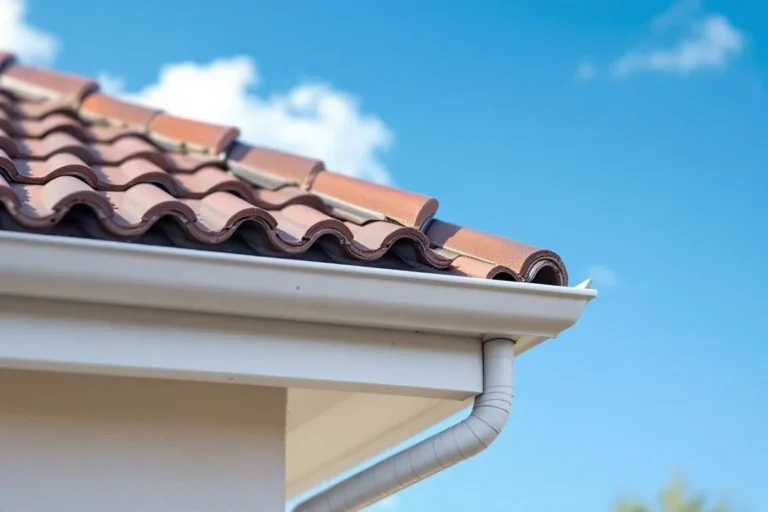
Roofing and Flashings: The roof is your first line of defence. Inspectors examine the condition of roofing materials, the state of flashings around chimneys and skylights, and whether the roof structure shows signs of leaks. Rust, lifted shingles, or gaps in flashings may indicate problems.
Cladding Systems: Your home’s exterior walls take a beating from wind-driven rain. Cracks in plaster or fibre-cement cladding, deteriorated weatherboard, or poorly sealed joints can all allow moisture in. Some cladding systems, particularly older monolithic types, need careful scrutiny.
Windows and Doors: Poorly sealed or wrongly installed windows and doors are a common source of leaks. Inspectors check for damaged seals, evidence of water staining around frames, and whether the joinery has adequate clearance from the cladding below.
Ground Levels and Drainage: The interaction between the building and the ground is crucial. If the ground level sits above the floor joists or the damp-proof course, moisture can wick up into the structure. Inspectors also assess whether downpipes direct water well away from the foundations.
What a Professional Assessment Covers
During a pre purchase building inspection Wellington buyers rely on, a competent inspector will use a range of non-invasive techniques to assess weathertightness. These may include using moisture meters to check for elevated readings in walls and floors, visual inspection of roofs and exterior surfaces, and examining accessible subfloor spaces.
The resulting building report Wellington homeowners and buyers receive should clearly describe the condition of the property, highlight any areas of concern, and suggest further investigation where needed. However, it is essential to understand the scope of such a report. During our inspection, we may identify issues that warrant further investigation by a specialist, such as a registered drainlayer or a roofing expert. Our inspections may uncover issues that require specialist assessment to determine their full extent.
It is also worth noting that a standard building assessment does not verify compliance with the New Zealand Building Code. If we spot potential code-related concerns, we’ll suggest you consult with a building certifier or your local council. This distinction is important for setting realistic expectations about what any inspection can deliver.
The Limitations of a Visual Check
While a thorough visual examination is very valuable, it cannot see inside wall cavities or under concrete floors. Moisture issues that are latent or hidden may not be detectable without invasive testing. For this reason, an experienced building inspector Wellington relies on will often recommend targeted moisture testing when they see risk indicators.
For example, a slightly musty smell in a particular room might prompt a check with a moisture meter. Elevated readings could then justify opening a small section of lining to confirm the source of the moisture. Good inspectors will explain these findings clearly, helping you understand the difference between a definite problem and a possible risk that needs more investigation.
Remember that a building report is not an insurance policy. It is a snapshot of the property’s condition at the time of the inspection. Weathertightness can change with seasons, particularly after prolonged dry or wet spells. The report arms you with knowledge, allowing you to negotiate from a position of strength or decide to walk away from a risky purchase.

How Weathertightness Affects Older Homes
Many of Wellington’s older villas and bungalows have solid timber frames and weatherboard cladding. These homes often perform well if they have been maintained. However, original windows may lack cavity flashings, and ground clearances might be less than modern standards recommend. A careful inspection of a character home looks for evidence of previous leaks, repairs, or alterations that could affect weathertightness.
With Managing Director Morgan Kircher’s 20+ years in the industry, Alert’s team understands the specific weaknesses common to different eras of construction. This experience helps us look in the right places and ask the right questions about each property’s history.
The Role of Moisture and Ventilation
Even a structurally sound home can suffer from internal moisture problems. Poor ventilation in kitchens, bathrooms, and laundries leads to condensation, which can eventually cause mould and decay. An inspection should include an assessment of available ventilation, the presence of extraction fans, and whether the subfloor has adequate cross-flow ventilation. Good airflow is critical in Wellington’s humid winter months.
Insulation quality also plays a role in preventing condensation. Cold surfaces encourage moisture to settle. A report that notes insulation types and conditions helps you plan for potential upgrades, including the cost and disruption involved.
Making Sense of Your Findings
After a professional weathertightness assessment, you will receive a document that may include technical terms and photos. Take the time to read it and discuss any points you do not understand with your inspector. A good report will separate minor maintenance issues from serious defects, often using clear language and colour-coded summaries for ease of use.
Some findings might simply require routine repairs. Others could indicate significant structural problems. Understanding this distinction guides your next steps. If you are buying at auction, having this information beforehand is even more critical, as your decision may need to be made quickly and without conditions.
Being informed also helps you plan your budget. Knowing that a roof may need replacement in five years allows you to set aside funds, rather than being caught off guard. While problems can be disappointing to discover, it is far better to know about them before you buy.
Trust Your Capital Home to Experienced Eyes
When you choose a building inspector Wellington trusts, you gain a partner in the discovery process. The team at Alert Building Inspections has spent years assessing homes across the region. Led by Morgan Kircher, who has spent more than 20 years in building, the team brings a practical eye to every property we examine.
Our goal is to provide you with clear, honest information about the home you are considering. We walk the exterior, climb onto the roof when safe, and inspect the subfloor so that you do not have to. We then translate our findings into a plain-English report you can rely on when making your decision.
Wellington’s housing stock is diverse—from character villas to modern townhouses. Each has its own weathertightness considerations. Let an experienced team help you understand what you are buying so that your new home stays dry and sound for years to come. If you are planning a property purchase, consider how a detailed assessment can save you from costly surprises. For more on managing moisture, you might review guidance from the tenancy service.
Weatherproofing Your Wellington Home: A Buyer’s Essential Guide
Weathertightness is not just a technical concern; it directly affects your comfort, health, and finances. By commissioning a thorough assessment before you commit, you take a responsible step toward protecting your investment. Alert Building Inspections is ready to provide that essential layer of certainty, helping you enter the property market with confidence.
Related Articles
- What a Wellington Home Inspection Uncovers Before You Commit
- Moisture Meters: Essential Tool for Wellington Property Buyers
- Understanding Timber Decay in Wellington Homes
- Retaining Walls in Wellington: What Every Property Buyer Should Know
Alert Building Inspection Services provides comprehensive building reports across Wellington and New Zealand. Trust our expert inspectors to give you clarity and confidence in your property decisions. For professional building inspection services and expert advice, visit our website. You can also read more articles like this on our blog.