
Buying a home is one of the biggest financial decisions you will ever make. In Wellington, where weathertightness issues and earthquake-prone structures are real concerns, knowing when to bring in a professional can save you thousands of dollars and a great deal of stress.
Alert Building Inspections has been helping buyers across the capital for years. Managing Director Morgan Kircher, with more than 20 years in the building industry, leads a team that understands the local quirks of Wellington properties. Timing your inspection correctly is just as important as the inspection itself.
The best time to arrange a building inspection is before you commit to a purchase. Whether you are buying at auction or negotiating privately, having an independent assessment of the property’s condition gives you clarity and confidence.
At an auction, there is no conditional period. Once the hammer falls, the property is yours — with all its hidden issues. A thorough pre purchase building inspection Wellington buyers rely on can reveal problems with the roof, foundations, cladding, or internal moisture. Armed with that knowledge, you can decide whether to bid, and how much to bid.
In a private sale, you often have more flexibility. You can make your offer conditional on a building report Wellington professionals produce. If the report uncovers significant issues, you have options: renegotiate the price, ask the seller to address specific problems, or walk away altogether.
Many buyers assume that a brand-new home doesn’t need an inspection. That assumption can be costly. New builds can have defects — poor drainage, inadequate ventilation, or incorrectly installed cladding — that may not appear until months or years later.
Alert’s inspectors regularly find issues in recently completed homes. For example, a missing damp-proof course or a poorly sealed window can lead to moisture intrusion down the track. A professional inspection of a new build identifies these potential problems while the builder’s warranty is still in place.
If you are buying off the plans, consider having an inspection at key stages of construction. Many buyers schedule a pre-lining inspection before the walls are closed up. That way, you can see the framing, insulation, and plumbing before they are hidden behind plasterboard.
Wellington’s housing stock is diverse, from charming 1900s villas to modern apartments. Each era brings its own set of risks. Older homes may have timber decay, leaky windows, or outdated electrical systems. More recent builds might use monolithic cladding, which has been linked to water damage across New Zealand.
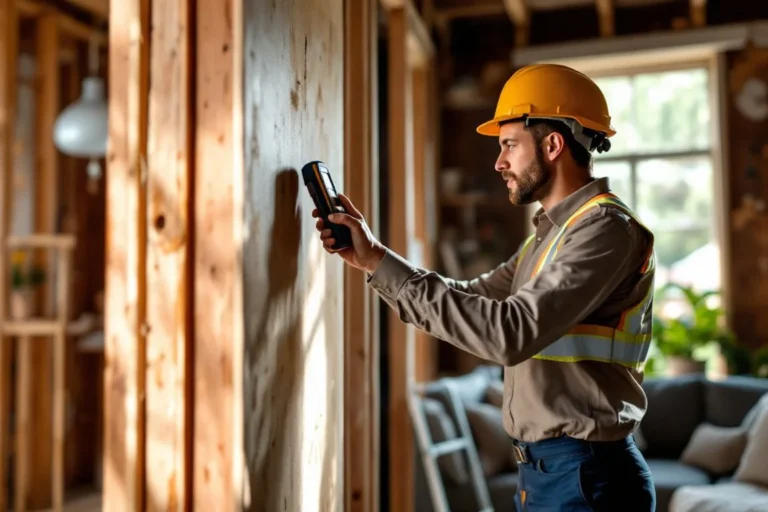
During a building inspection Wellington homeowners trust, your inspector will assess visible signs of moisture damage, structural movement, and weathertightness. They use moisture meters and thermal imaging to detect issues that are not obvious to the naked eye. However, inspectors do not check for compliance with the building code. If they spot something that could be a code concern, they will recommend you seek advice from a building certifier or other specialist.
For properties on sloping sections — common in the capital — retaining walls and drainage are critical. A failed retaining wall can cause land movement and compromise the house’s foundations. An experienced building inspector Wellington buyers appreciate will flag these concerns in their report.
A quality building report is more than a list of flaws. It should give you a clear picture of the property’s overall condition. Alert’s reports are detailed, with photographs and plain-language explanations. They prioritise issues by significance, so you know which problems are urgent and which are cosmetic.
For example, a cracked plaster wall might be purely decorative, while a cracked foundation may signal serious structural problems. Your inspector should help you understand the difference. They should also point out areas that need further investigation, such as a damp basement or a roof that shows signs of leaking.
Sometimes, an inspection may uncover asbestos in older homes. In that case, you may need to consult a specialist about testing and safe removal. While we do not test for asbestos ourselves, we can suggest you arrange for a professional asbestos assessment.
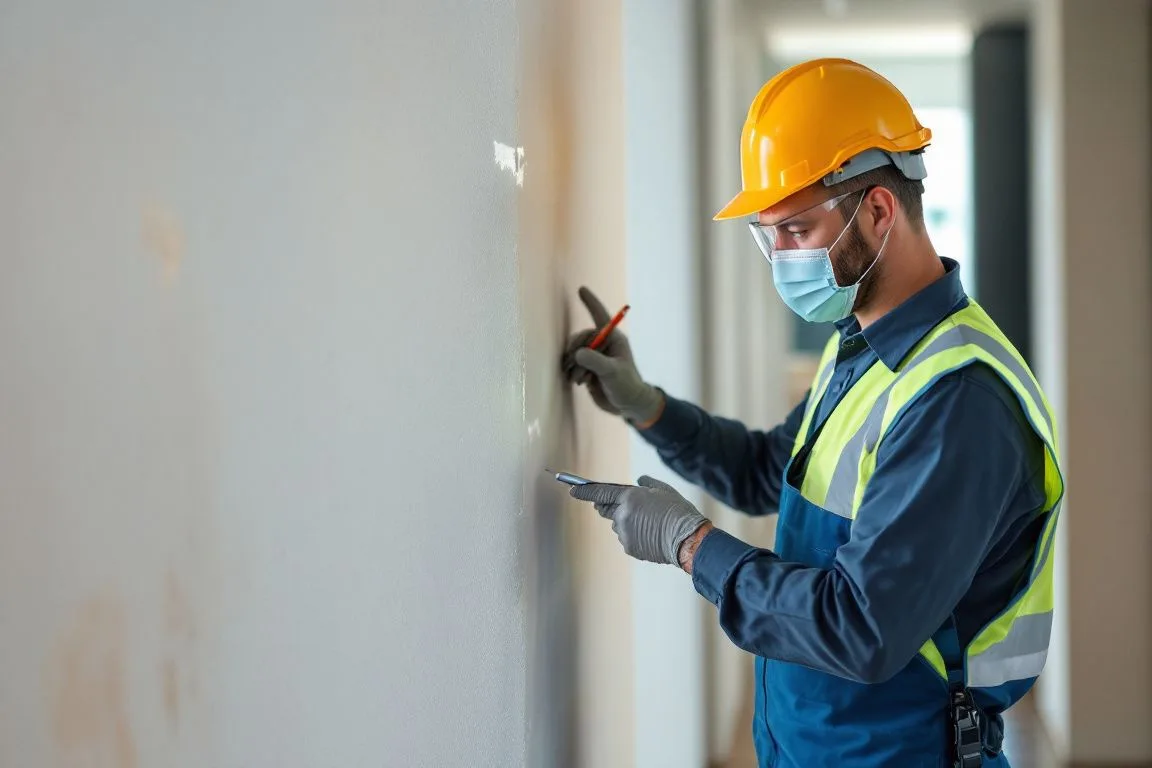
Some homes demand more attention than others. If you are buying a renovated property, check whether the work was done with proper permits. An inspection can reveal signs of DIY alterations that may have compromised the structure.
Similarly, if you are considering a house with a history of leaks — or one that has been repaired — be extra cautious. Even with remediation, some homes remain vulnerable. A thorough inspection will look at the cladding, flashing, and joinery for signs of failure.
Earthquake-prone buildings are another consideration for Wellington buyers. While your inspector does not provide seismic assessments, they can identify non-structural risks, such as heavy chimneys or unreinforced masonry, that could affect the property’s safety. They may recommend seeking advice from a structural engineer for a more detailed seismic evaluation.
If you are planning to bid at auction, arrange your building inspection well in advance. Ideally, you should have the report in hand before the auction day. This means contacting Alert early, as our schedule can fill up quickly during peak buying seasons.
In New Zealand, many buyers choose to have a pre purchase building inspection Wellington based professionals carry out before the auction. This allows you to review the findings and decide on your maximum bid. Without an inspection, you might be bidding blind, which is a gamble few experienced buyers would recommend.
Also, remember that sellers are not obliged to provide a building report. If they do, it may be a limited inspection that misses issues. Your own independent report gives you unbiased information that you can rely on.
It’s not unusual for an inspection to uncover problems. Even a well-maintained home will have some minor issues. The key is to weigh their severity and consider the potential repair costs.
Ask your inspector to explain what each finding means. For example, a leaking shower may need only new sealant, or it could require removing tiles and replacing the waterproofing membrane. The difference in cost is significant.
If the report reveals major defects, you have several choices. You can negotiate a lower purchase price to cover the repairs. You can request the seller to fix the issues before settlement. Or you can walk away and look for a property without such burdens. Your building inspector can offer guidance, but the final decision is yours.
Ultimately, the right time to book a building inspection is before you legally commit to a property. Whether you have just started looking or are about to make an offer, a professional inspection gives you peace of mind. The team at Alert Building Inspections, with their years of local expertise, is ready to help you making an informed decision.
Alert Building Inspection Services provides comprehensive building reports across Wellington and New Zealand. Trust our expert inspectors to give you clarity and confidence in your property decisions. For professional building inspection services and expert advice, visit our website. You can also read more articles like this on our blog.
Part of the Alert Building Inspections network — serving all of New Zealand
Copyright © 2016- Alert Building Inspections